

The Art of Equestrian Styling in Modern Indian Homes
Where heritage meets sophistication in the language of interiors.
There is something about the quiet confidence of equestrian style that transforms a room from merely furnished to genuinely lived-in. Perhaps it is the way leather catches afternoon light, or how the deep brown of a well-loved saddle suggests stories worth telling. In the most beautiful homes across Mumbai and Delhi, this aesthetic has found its voice—not as obvious horse imagery scattered about, but as a sophisticated language of materials, textures, and understated symbols.
The appeal lies in equestrian style's inherent balance between formality and comfort. Unlike trends that demand your complete attention, this approach settles into a space with the same ease as a rider who has spent years in the saddle. It speaks of weekends at polo grounds, of country estates where afternoon tea is served on silver trays, of a life lived with both purpose and pleasure.
Understanding the Equestrian Palette
True equestrian styling begins with colour, but not the obvious palette of riding boots and crop jackets. The most compelling rooms draw from the subtle spectrum of a stable at golden hour—deep espresso browns that seem to hold warmth even in shadow, cream that catches light like well-worn linen, and the occasional flash of brass that suggests quality without announcement.
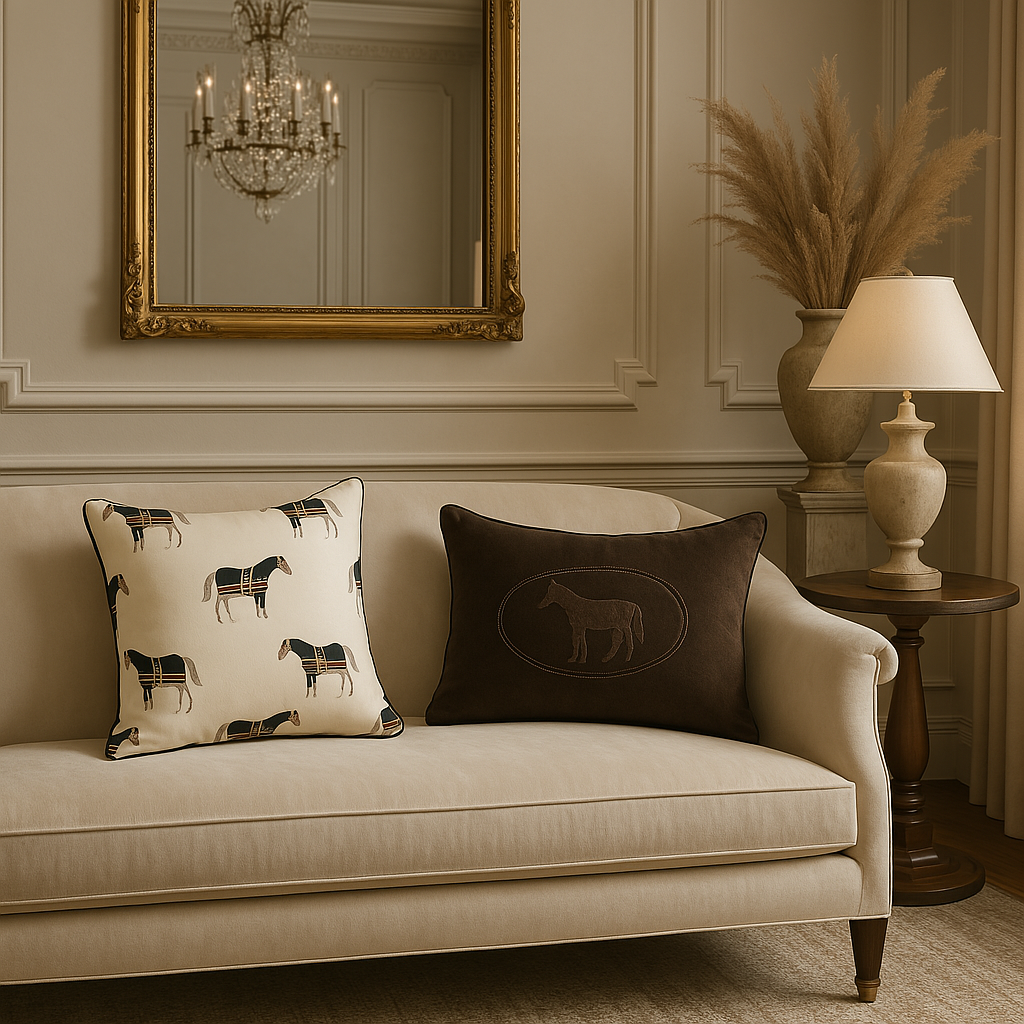
These colours work because they reference a world where everything serves a purpose. Brown velvet on a sofa cushion recalls the suppleness of fine leather, while cream piping provides the same clean definition as a well-tailored riding jacket. When you choose this palette, you are not decorating with horse colours—you are borrowing the sophisticated restraint of a tradition that values function as much as beauty.
Texture as Narrative
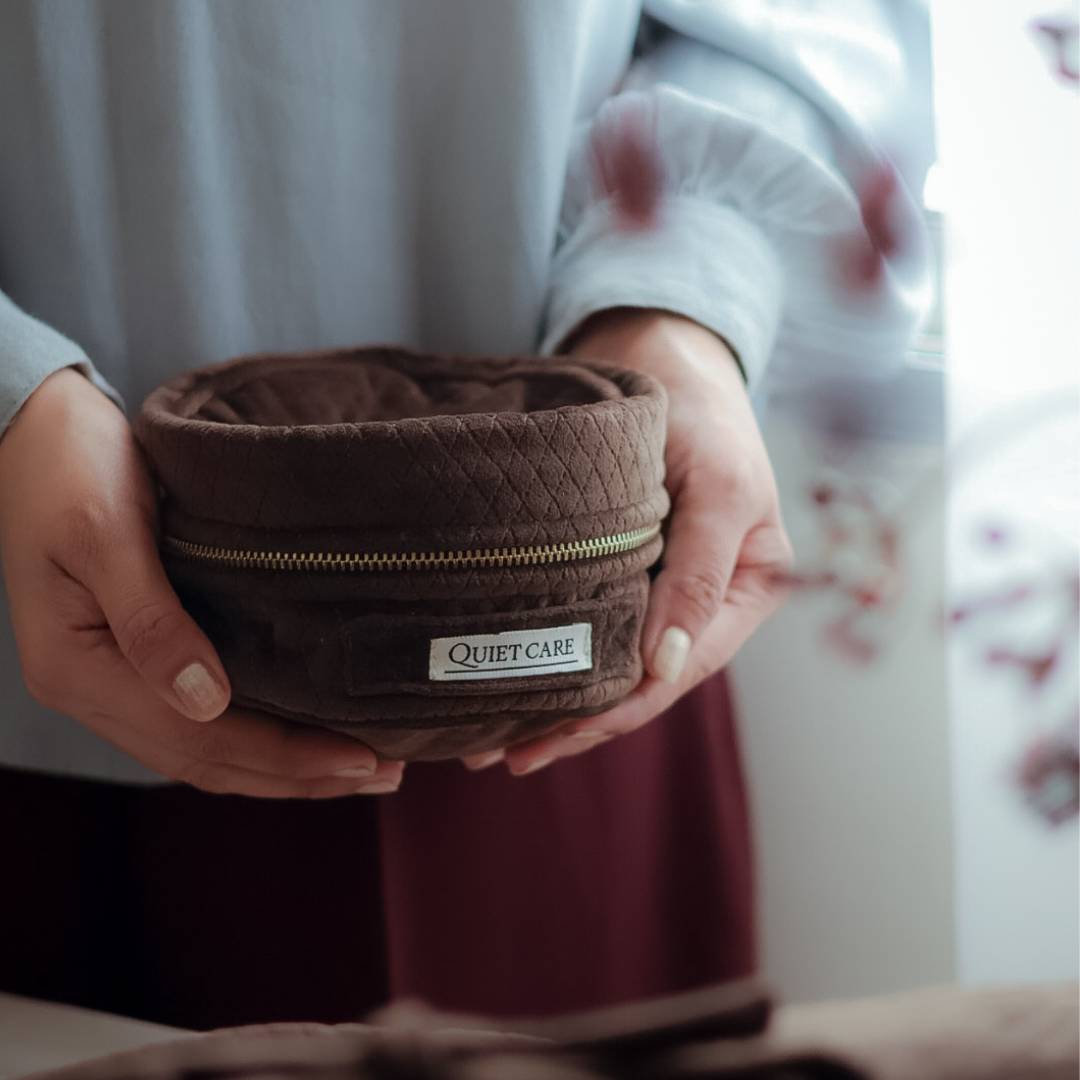
Equestrian interiors succeed because they layer textures that tell a coherent story. Quilted velvet suggests the protective blankets that keep thoroughbreds warm, while smooth leather evokes the tools of the trade—reins, saddles, boots that have been polished to perfection. The key is balance: too much leather and you have created a men's club, too much softness and the strength of the aesthetic disappears.

Consider how a quilted velvet cushion changes when placed against smooth leather upholstery. The contrast enhances both materials—the leather appears more refined, the velvet more luxurious. This is the principle behind all successful equestrian styling: each element should make its companions more beautiful.
The Power of Subtle Symbolism
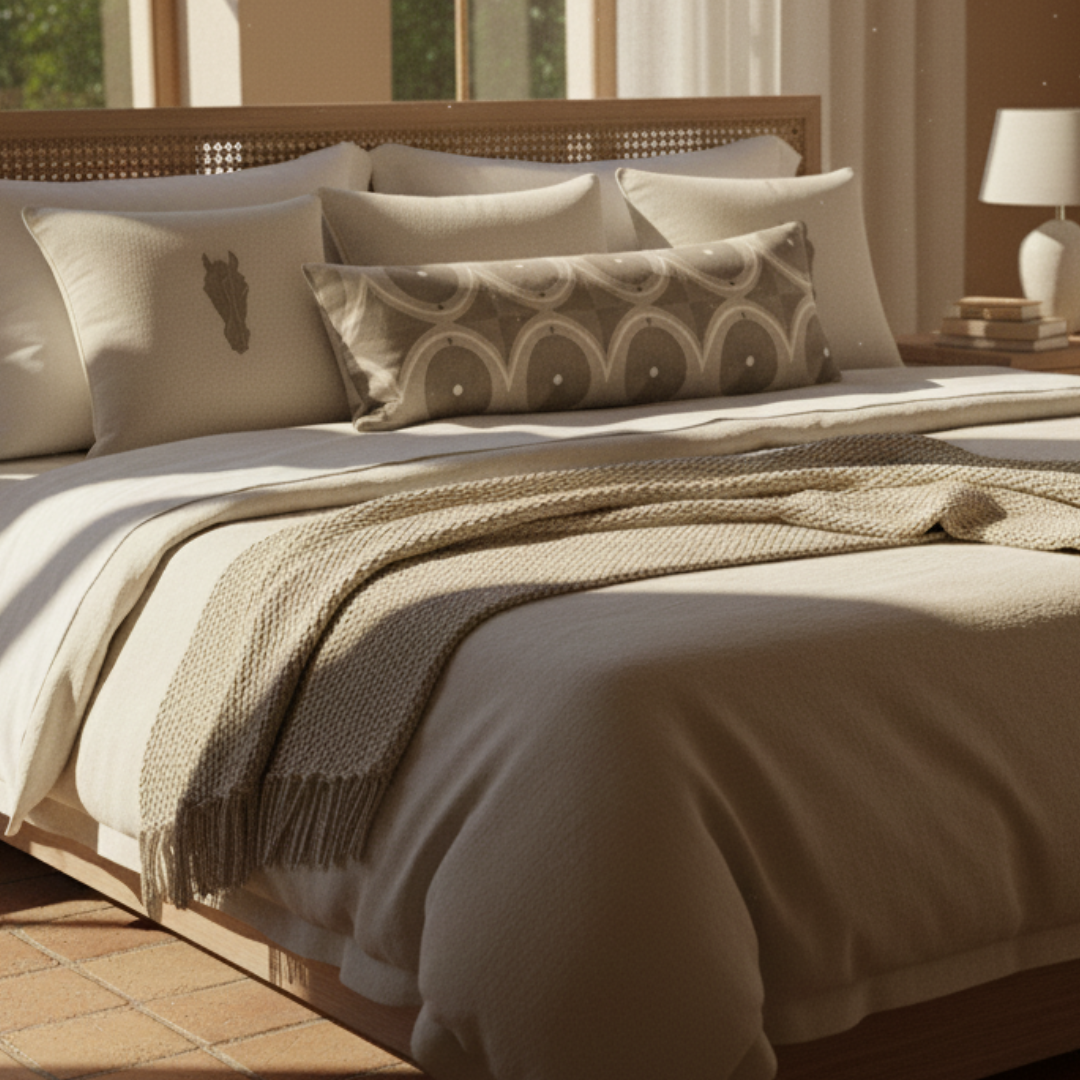
The most sophisticated equestrian interiors understand that a single, beautifully rendered horse motif carries more impact than an obvious collection of riding memorabilia. An embroidered stallion on rich brown velvet becomes a quiet statement of appreciation for craftsmanship and tradition. It suggests someone who understands quality, who chooses pieces not for their obvious meaning but for their ability to enhance a room's overall narrative.
This restraint is what separates luxury from decoration. When horse imagery appears in the finest homes, it does so with the confidence of belonging—like a piece of inherited silver or a painting that has been in the family for generations. The Pillow Company's Ashton Equestrian collection understands this principle, offering pieces where the equestrian element enhances rather than dominates the design.
Styling for the Indian Context
Adapting equestrian style for Indian homes requires understanding both traditions. The formal dining rooms of South Delhi and the gracious living spaces of Mumbai's finest addresses share certain qualities with English country houses—high ceilings, appreciation for craftsmanship, rooms designed for both solitude and entertaining. The equestrian aesthetic bridges these worlds naturally.

In practice, this might mean pairing a quilted brown velvet cushion with contemporary Indian textiles, or placing equestrian-inspired pieces alongside family heirlooms. The goal is not to recreate a British country house but to borrow its best qualities—the love of beautiful materials, the appreciation for subtle luxury, the understanding that true elegance whispers rather than shouts.
Creating Cohesion Without Theme
The difference between equestrian style and equestrian theme lies in restraint. A themed room announces its inspiration immediately and completely. A styled room allows you to discover its influences gradually, through the accumulation of small, beautiful choices. This is why the most successful equestrian interiors often include just one or two obvious references—perhaps a single cushion with horse imagery, or a piece of vintage leather alongside contemporary furniture.
The Ashton Stallion cushion cover works precisely because it provides this focal point without overwhelming the space. Its deep brown velvet and silver embroidery suggest quality and tradition, while its sophisticated execution ensures it will enhance rather than compete with surrounding pieces. This is luxury that improves with time, growing more beautiful as it settles into its space.
When evening light falls across a room styled with this kind of thoughtful restraint, the effect is unmistakable—a space that feels both collected and effortless, where every element has been chosen not for impact but for its ability to contribute to a larger vision of beautiful living.